5 Tips for Buying a Pilothouse Boat in Canada
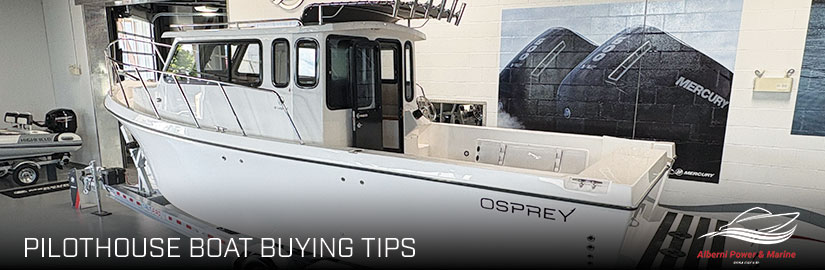
A protected helm can change what a day on the water looks like. An early start for salmon, a run farther up the coast, or a cool afternoon heading home becomes much more comfortable when the crew can get out of the wind and spray. That practicality is a big part of the appeal of pilothouse boats.
Still, the pilothouse itself shouldn't make the buying decision. Cockpit room, cabin space, hull construction, visibility, propulsion, and the type of boating you actually do deserve just as much attention. If you're starting to look at pilothouse boats for sale, these are the details worth sorting out before settling on a model.
1. Start with What You Want to Do on the Water
Different buyers looking for a 24- to 28-foot pilothouse may have varied requirements & style.
For an offshore angler, extra room in the cockpit may be more useful than additional cabin space. There might be a need for room for fishing gear as well as enough space to work around the boat when a fish is on. Someone planning weekend trips with a small group or family will probably look at that same boat differently. A usable berth, comfortable seating, an enclosed head, and galley & dinette space start to matter when more time is spent aboard.
This is where different pilothouse families begin to separate themselves. Osprey Pilothouse boats, including the 24 Talon, 26 Legend, and the 28 Endeavor, provide fishing-oriented layouts with the protection needed for longer coastal runs. Sea Sport boats are also built for Northwest waters. Series like Commander 2800, Kodiak 2600, Aleutian 2600, and the Explorer 2400 include models that can accommodate fishing while offering the cabin amenities owners appreciate on longer trips.
Hence, consider the journeys you expect to make most often. Canadian fishing and boating experts also recommend thinking about how many people will usually be aboard, the type of water you'll boat on, and the style of boating or fishing you enjoy before narrowing your options. It will help you check more about the boat you need than the feature list does.
2. Spend Time in the Boat, Not Just with the Specifications
Weather protection is one reason to choose a pilothouse. However, don't overlook what you can see from the helm. Check the view ahead, astern, and along both sides of the boat. Good visibility makes a difference when coming alongside a dock, keeping track of nearby traffic, or working through busy coastal waters.
This is why an in-person walkthrough matters. Some things simply don't show up in the specifications.
3. Aluminum or Fiberglass? There Is More to Compare Than Material
You can find strong options in both construction types.
Aluminum material keeps the hull weight lower, requires less cosmetic maintenance, and tends to dent rather than crack under impact. Such benefits make it a good choice to operate in varied boating conditions, especially around rugged shorelines. Buyers who prefer an aluminum boat with a fishing-oriented pilothouse can consider the Thunder Jet 28 Pilot. It has a strong 0.250” 5086 marine-grade aluminum bottom along with many fishing & comfort features. The standard features, along with other factory-- and dealer-installed options, make it a good choice for venturing offshore for serious fishing.
The experience aboard a fiberglass pilothouse is different. Its additional hull weight can contribute to a more calm feel in deep water. The molded construction gives more refined finishes and cabin arrangements for fishing as well as family cruising. Buyers comparing fiberglass boats for sale in Canada may place more emphasis on ride characteristics, cabin finish, interior comfort, and overnight accommodations. That is where Osprey and Sea Sport deserve consideration alongside their fishing capabilities.
Each material has its unique benefits and can suit different styles. Think about towing and launching, the environment you normally travel in, maintenance requirements, fishing use, and how much time you and your crew spend aboard. Our blog on aluminum vs fiberglass boats provides a detailed breakdown of the two hull materials and explains which may be better suited to different boating needs.
Rather than treating aluminum versus fiberglass as a question with one correct answer, compare what each construction and layout gives you for the waters you run and the amount of time you spend aboard.
4. Match the Propulsion to the Pilothouse You Choose
Select the horsepower & propulsion system according to the boat manufacturer’s recommended range as well as how you will use the boat. Consider the hull weight and the normal operating load with fuel, passengers, fishing gear, batteries, electronics, and other equipment. For example, a pilothouse regularly carrying a heavier load offshore may benefit from the full power as per its approved range. At the same time, a boat with lighter use may not require the same setup and can work well with a lower-horsepower engine.
You need to consider outboard vs sterndrive propulsion too. Outboards can save valuable interior space and offer convenient service access. Sterndrives, on the other hand, can provide a clear transom arrangement and a full-width swim platform on suitable layouts. Alberni Power & Marine offers powerful, energy-efficient Mercury outboard and MerCruiser sterndrive engine packages, matching the propulsion to the vessel’s design, expected load, usage, and recommended power options. The same principle applies to boat repowering. If your existing pilothouse boat’s layout and space suit your needs, a properly matched replacement boat motor can update its propulsion system and serve you for more seasons.
5. Choose a Dealership That Assesses Your Boating Goals Better
Connect with a reliable offshore fishing boat dealer, as their experienced team can help you understand how a boat feels during a long run, how comfortably you'll move around the deck while fishing, or whether the cabin layout suits the way you spend time on the water.
Plus, covering the waters you intend to run, the fishing you do, typical passenger load, towing or storage requirements, and the equipment you expect to carry - all that matters. The answers to these queries can quickly clear differences between two apparently similar boats.
This approach also aligns with Transport Canada’s guidance, which encourages prospects to understand boat licensing requirements, ownership responsibilities, and compliance information before completing the purchase.
Conclusion
A good pilothouse should make the boating you already enjoy easier and open the door to doing more of it. For one owner, that may mean more cockpit room and a rugged aluminum hull. Another may want a fiberglass boat with comfortable overnight accommodations for several days along the coast.
Alberni Power & Marine can help buyers compare Thunder Jet, Osprey, Sea Sport, propulsion packages, and other options around their actual plans for the boat. To discuss a pilothouse or request a personalized quote, contact the team at 250-724-5722 or sales@albernipowermarine.com.
Frequently Asked Questions
Q.1. Why do Canadian boaters choose pilothouse boats?
A boat with an enclosed helm is useful in BC and other coastal regions, where early starts mean boaters face cool temperatures, wind, rain, or spray before conditions change later in the day. It gives the members onboard a protected space without compromising the cockpit needed for fishing and other activities.
Q.2. How much cabin space do I need on a pilothouse vessel?
Cabin size selection depends on how you plan to use your boat. A vessel with around 6’ x 7’ cabin can provide shelter and overnight capability while offering more space for a fishing cockpit. Cabins approaching 9’ x 7’ deliver more room for seating, storage, sleeping, and onboard amenities for regular overnight journeys and family use. Larger pilothouse boats exceeding 11’ x 9’ cabin provide significantly more living space for extended trips. Compare the cabin and cockpit dimensions together while selecting the model.
Q.3. Can one pilothouse work for fishing and family trips both?
Yes, but pay attention to where the available space goes. A fishing-focused 26’ pilothouse can offer a cockpit space of around 10’ x 7’. On the other hand, a more family-oriented layout of similar length may provide a cabin around 9’ x 7’ with a 6’ or 7’ long cockpit. Some models, like Osprey 26 Legend, balance both. This boat offers a 9’ x 6’6” cabin and a 7’ x 8’ cockpit, making it a good option for fishing and family boating.
Choose a good balance as per your required fishing room and the time & activities your family or group will spend inside the cabin.
Q.4. Should I choose an aluminum or fiberglass pilothouse boat?
Aluminum may be a better choice if your boat will face frequent trailering, beaching, or running around rocky shorelines. Fiberglass can be a more practical option when the priority is longer cruising, more time spent aboard, and a more finished interior. Also, compare the vessel’s loaded weight, hull design, cockpit-to-cabin ratio, and the conditions you normally operate in.
Q.5. Can an older pilothouse boat be repowered rather than buying a new one?
In many cases, it can be repowered and used as you want. Pilothouse models cover a broad range of manufacturer-recommended horsepower, from around 300 HP on smaller 24-foot models to 600-700 HP on larger boats in a single or twin configuration. When repowering an older boat, an experienced dealership like Alberni Power & Marine matches the new propulsion package to the boat’s recommended power range along with its hull condition, weight, intended use, and single- or dual-engine requirements. You can also consult the technician for any replacement or repairs needed related to electronics, boat wiring, batteries, and other components.If the hull and layout still suit your needs, a well-planned repower can be a better option than replacing your boat.
Q.6. What should I check when buying a used pilothouse?
Start with its history. Check whether the boat was primarily used in saltwater or freshwater and how it was maintained against corrosion, hardware issues, and motor condition. Engine hours, service records, hull shape, electrical systems, electronics, windows, and cabin condition can provide a clear picture of how well the boat has been cared till now. A boat inspection from marine professional is also worth considering before purchase.
Q.7. Are there any key considerations when trailering a pilothouse boat?
Yes. Apart from the vessel’s overall length (LOA); including outboards and propellers, check the loaded towing weight, including the hull, engine, fuel, batteries, other equipment & accessories that are carried normally aboard, and the trailer itself. For larger pilothouses, beam and the overall height of the boat on the trailer also matter, as it may affect the towing and permit requirements.
Q.8. How much should I budget for ongoing pilothouse ownership?
There's no standard yearly cost because every owner uses their boat differently. Some spend more on fuel because they're offshore every weekend, while others mainly pay for annual servicing, storage, and insurance. The size of the boat and the engine package also make a noticeable difference. When comparing boats, ask the dealer what the typical running costs look like for the model you're interested in.
Q.9. Is a sea trial worthwhile before buying a pilothouse boat?
Definitely, when possible. It will allow you to see how the boat actually accelerates, turns, rides, and sounds on the water. During the trial, pay closer attention to visibility, planing & acceleration, comfort, and how the boat responds under varying load & water conditions.
Q.10. Where can I compare and buy pilothouse boats in Canada?
Look for an experienced dealer that sells and provides service across the country, and where their team helps you understand more than just the boat’s specs and price. Alberni Power & Marine in Port Alberni, BC, offers pilothouse boats from reputed brands such as Osprey, Sea Sport, and Thunder Jet, with models available through a mix of current inventory, pre-orders, and custom orders with factory- and dealer-installations & upgrades. They also support rigging, maintenance, storage, and repowering services to Canadian boaters, giving prospects one place to plan the purchase, configure the boat as they need, and access ongoing support throughout ownership.
About the Author
Brad Armstrong
Brad Armstrong, Sales Manager at Alberni Power & Marine, has been full-time in the marine industry for 20 years. His background in both sales and marine service enables him to provide practical insight into how boats and propulsion systems perform on West Coast waters. Customers looking to buy a boat rely on his experience to choose the right boat setup and enjoy more confident time on the water.