Boat Electrical Safety Tips & Inspection Guide for Canadian Boaters
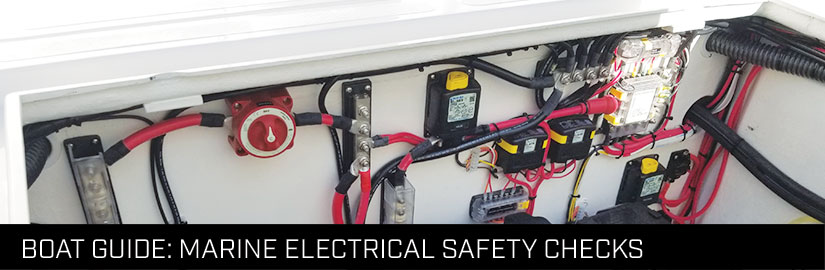
Modern boats rely on electronic systems for navigation, communication, lighting, and engine controls. A reliable electrical system is essential for safety and performance, whether you own a fishing boat or a family cruiser.
For boaters seeking reliable boats for sale in Port Alberni, BC, or already owning a vessel, it’s important to know about marine electrical safety. Regular checks and good maintenance can help you avoid expensive problems and keep your trips safe and trouble-free.
Why Marine Electrical Safety Matters
Your boat’s electrical system faces all kinds of water and weather. Saltwater, moisture, vibration, and changing temperatures can wear out parts faster than you might expect.
If your boat’s electrical system fails, it’s more than just an inconvenience. Problems like short circuits, overheating wires, or bad connections can cause:
Equipment failure
Fire hazards
Loss of navigation or communication systems
Battery failure at critical moments
This matters most when electrical parts are needed for your engine, ignition, or other onboard electronics.
According to marine safety organizations, electrical faults are a major contributor to onboard fire risks, which is why regular inspections are strongly recommended. Regular safety checks not only maintain your boat but also protect your vessel and those on board.
5 Common Marine Electrical Issues
Even well-maintained boats develop electrical problems over time. Here are some of the most common.
1. Corrosion
If you often use your boat in saltwater, the corrosion can damage terminals, wires, and connectors. Corrosion makes it harder for electricity to flow, which can cause overheating and failures.
2. Damaged or Exposed Wires
Loose, frayed, exposed, or messy boat wiring is a leading cause of electrical problems on boats. These issues can lead to shorts, sparks, or even fires on board.
3. Battery and Charging Problems
Weak batteries, bad connections, or a failing charging system can leave you without power when you need it most.
4. Overloaded Circuits
If you add new marine electronics without upgrading your system, you might overload the circuits. This happens often when boat owners skip professional advice or don’t check their boat’s setup before making changes.
5. Faulty Switches and Panels
Cracked or damaged panels and switches can let water in, raising the risk of electrical shock.
Being aware of these issues lets you fix small problems before they grow.
The Process of a Marine Electrical Inspection
A professional technician checks all the main parts of your boat’s electrical system. Here’s what a marine expert checks:
Visual Inspection
Technicians begin by checking wires, terminals, and connections for corrosion, wear, or damage. This step often finds early warning signs that owners might miss.
System Testing
The team tests the electrical system to ensure the correct voltage, current, and resistance. This makes sure all your equipment is working safely.
Battery and Charging System Check
During a boat battery check, technicians look at its condition, charge level, and connections. They also test the charging system to make sure it works properly.
Safety Equipment Verification
Important systems such as bilge pumps, alarms, and navigation lights are checked to see whether they work or need repair.
Grounding System Check
Good grounding helps prevent electrical shock and protects your equipment. Technicians pay close attention to this during inspections.
If you work with a trusted boat dealer near Vancouver Island, BC, these inspections are usually part of regular service and seasonal prep.
How Often a Boat’s Electrical System Requires Testing
How often you need inspections depends on how much you use your boat, where you use it, and how old it is.
Experts suggest contacting your boat dealership:
Annually: Recommended for recreational boats
Before long trips: Especially for offshore or extended journeys in rough conditions
After upgrades: If new electronics or systems are installed
More frequently: For boats used heavily in saltwater
Regular boat inspections by a trusted marine team help find hidden problems, keep your system reliable all season, and retain your boat’s value. Following recognized marine safety standards with the assistance of professionals helps ensure your boat’s electrical system remains safe, compliant, and reliable over time.
6 Quick Electrical Safety Tips for Boat Owners
Besides professional inspections, you can follow a few simple habits to make your boat safer:
1. Inspect Wiring Regularly
Look for exposed, loose, or damaged wires, especially near connection points.
2. Avoid Overloading Circuits
Make sure your electrical system can handle any new equipment or upgrades you add.
3. Keep Components Dry
Water getting into your boat is a big cause of electrical problems. Keep an eye on areas that tend to get wet.
4. Use Marine-Grade Components
Only use wiring and parts made for marine purposes to avoid early failures.
5. Turn Off Power Before Repairs
Always turn off the power completely before working on your boat’s electrical system.
6. Pay Attention to Fuel Docks
Electrical sparks and fuel vapours are a dangerous mix. Always follow the safety process when refuelling.
These steps lower the risk and keep your boat safe.
Why Connect with a Professional Boat Service Provider
Canadian boat owners can complete basic checks, but today’s marine electrical systems are complex and often require professional expertise. Certified marine technicians have the tools and knowledge to identify hidden issues and keep everything safe.
If you’re looking for new vessels or need boat maintenance in British Columbia, working with a trusted dealership like Alberni Power & Marine gives you access to professional rigging, inspections, and ongoing support. This helps make sure your boat is ready for the water from day one.
Conclusion
Marine electrical safety is crucial but often ignored. Inspections and good maintenance protect your boat, gear, and everyone on board.
As boats rely more on advanced electronics and propulsion systems like Mercury outboards, keeping your electrical setup in great shape isn’t just a choice—it’s a must.
Taking a proactive approach helps make every trip safe, reliable, and fun. Reach out to the Alberni Power & Marine team today for boat or outboard maintenance and service.
Frequently Asked Questions
Q.1. How Do I Know If My Boat Has an Electrical Issue?
Watch for signs like dim lights, battery drain, corrosion, or electronics that don’t work right. If you’re unsure, contact a local boat dealership in BC.
Q.2. How Often Should Marine Electrical Systems Be Inspected?
Experts say you should get your boat’s electrical system checked at least once a year, or more often if you use your boat a lot or in saltwater.
Q.3. Can I Fix Boat Electrical Issues Myself?
You can do basic checks yourself, but always let a qualified marine professional handle complex repair.
Q.4. Why is Marine-Grade Wiring Important?
Marine-grade wiring is designed to resist corrosion, vibration, and moisture, making it safer and longer-lasting on the water.
About the Author
Devan Flader
Devan Flader, the Customer Service & Store Manager at Alberni Power & Marine, has over 20 years of marine industry experience. His focus on reliable boat service, quality marine parts, and personalized support ensures every customer enjoys peace of mind on the water. As a lifelong boater, Devan is dedicated to helping owners keep their boats running strong and ready for adventure.