6 Factors to Consider Before Repowering Your Boat in BC
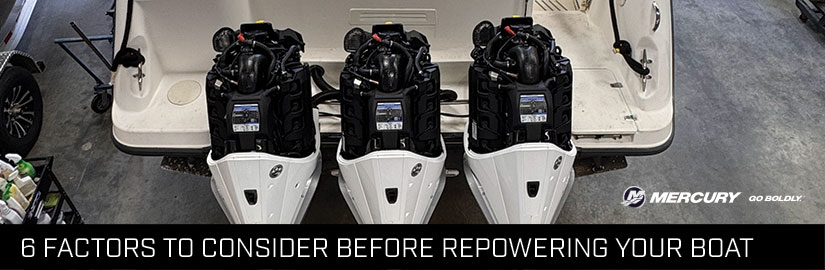
A boat that still fits your lifestyle doesn’t always mean the engine is keeping up. That’s where repowering comes into the conversation.
Maybe it’s harder to start, uses more fuel than before, or doesn’t give you the same confidence out on the water. This is when repowering becomes a good option.
Upgrading to a modern outboard is about more than just extra horsepower. It also means better reliability, efficiency, control, and comfort, which is especially important when conditions on the water aren’t always predictable. Before you start, there are a few important things to consider that can significantly affect your repower project.
Why Repowering Makes Sense
For many boaters, the decision to repower isn’t sudden—fuel efficiency drops, performance becomes inconsistent, and reliability starts to matter more with every trip. That’s where modern outboard technology begins to make a noticeable difference.
Mercury outboards have come a long way in the last ten years. Today’s Mercury Marine engines are quieter, use less fuel, and feature advanced digital controls and diagnostics.
Outboard repowering allows you to:
Improve fuel economy and range
Upgrade to modern marine electronics integration
Increase reliability for offshore or long-distance use
Enhance the resale value of your boat
If you’re thinking about boat repowering in BC, working with a well-experienced marine team can help you achieve the best performance without buying a new boat or risking the wrong setup.
How to Repower Your Boat
1. Choosing the Right Engine Setup
Choosing the right engine isn’t only about horsepower. It’s also important to match it to your boat’s design, how you use it, and how much weight it carries.
Mercury Marine outboards come in many options, from mid-range FourStroke engines to powerful Verado systems.
Some of the most sought-after lineups among outboard motors for sale in BC from Mercury include:
2.5-30 HP FourStroke – Compact sized boat motors delivering efficient operations for small boats, tenders, and lightweight utility use where portability and simplicity matters.
40–150 HP FourStroke - A reliable range of engines for everyday fishing and recreational boats, offering strong fuel efficiency and smooth, quiet operation.
200–300 HP FourStroke – Designed for medium to larger aluminum & fiberglass boats, offering a good mix of power, control, and versatility.
250-600 HP Verado – Premium performance outboards built for offshore use and multi-engine applications, known for refined operations, advanced controls, and high horsepower capability.
15-500 HP SeaPro – Built as high-torque, heavy-duty workhorses with larger gearcase - running with less RPM and ideal for commercial applications as well as recreational usage.
115-300 HP Pro XS – Performance-focused engines offering faster acceleration and higher top-end speed, making them preferred by many anglers.
25-105 HP Jet Outboards – Best suited for shallow water conditions where prop-driven outboards can’t perform efficiently.
Sterndrive Motors – Combine inboard power with outboard style steering. Common on runabouts and family cruisers, these engines offer a clean transom, more usable swim platform space, and strong performance for boating focused on cruising, entertaining, and watersports.
Key factors to consider while selecting the engine:
Boat size and weight
Intended use (fishing, cruising, offshore)
Fuel system compatibility
Transom capacity and ratings
You should also stay within your boat manufacturer’s recommended horsepower limits for safety and regulatory compliance.
With decades of hands-on experience, Alberni Power & Marine helps boaters choose the right Mercury setup, handle complete repowers, and keep engines running reliably for years. From initial selection to long-term service, their focus stays on getting the setup right the first time and provide the best price-to-performance ratios.
2. Boat Hull Matters
The shape and design of your boat’s hull have a big impact on how a new engine will work.
Fiberglass boats are heavier, so they usually do better with smoother, higher-horsepower engines.
Aluminum boats for sale are lighter and often work well with mid-range, efficient engines.
Choosing a motor that fits your hull’s specifications helps you get better handling, fuel economy, and overall performance after repowering.
3. Should You Add a Joystick System?
Joystick piloting systems have become increasingly popular, especially on larger boats.
However, joystick systems don’t work for every boat setup.
When it makes sense:
Twin or multiple outboard configurations
Larger vessels where docking can be challenging
Operators looking for added control in tight spaces
When to reconsider:
Single-engine boats (not compatible)
Budget-sensitive outboard repower projects
With the right setup, a joystick system can make docking much easier and improve how your boat handles. Talk to a marine specialist from a trusted boat dealership to check your vessel and engine specifications and see if it’s a good fit.
4. Consider Fuel System
One of the most important, but often overlooked, parts of repowering is the boat’s fuel system.
If you upgrade your engine but don’t update the supporting parts, you could run into performance problems or safety risks.
Recommended steps include:
Replacing old fuel hoses with ethanol-resistant, marine-approved lines
Ensuring the hose diameter matches the new engine’s fuel demand
Inspecting fittings, clamps, and connections
According to Transport Canada, proper fuel system maintenance is essential to reduce fire risks and ensure safe vessel operation.
5. Marine Electrical and Safety Considerations
Repowering is also a great time to check your boat’s electrical system and safety gear.
Modern outboards need clean electrical connections and compatible systems to work their best.
Transport Canada also recommends regular inspection of:
Battery systems and connections
Wiring and insulation
Safety equipment such as bilge pumps and alarms
Since electrical problems are a common cause of onboard issues, checking your systems regularly is an important part of being a responsible boat owner.
6. Compliance and Regulations in Canada
When you upgrade your boat’s engine, make sure your boat still meets Canadian marine regulations.
Key considerations include:
Staying within certified horsepower limits
Using approved fuel systems and components
Maintaining proper ventilation and fire safety measures
Guidelines from the Canadian Coast Guard emphasize that safe boat operation depends on both proper installation and regular maintenance.
Conclusion
Repowering your outboard boat is a smart upgrade that can really improve how your boat performs on the water.
Choosing the right engine and upgrading your fuel and control systems all help make your boat more reliable and safe for the long run.
If you’re considering buying new or used boats for sale or repowering your current one, working with an experienced dealership like Alberni Power & Marine can make a real difference. They offer a wide selection of modern Mercury outboards and can guide you through installation, setup, and long-term care so you get the best price-to-performance ratio from your investment.
Frequently Asked Questions
Q.1. Is It Better to Repower a Boat or Buy a New One?
It depends on your boat’s condition and what you need. If the layout, size, and structure still suit you, repowering is usually a good choice. But if you want more space, plan to use your boat differently, or want the latest features, looking at new boats might be better.
Q.2. How Much Does It Cost to Repower an Outboard Boat?
The cost relies on the engine size, rigging, and any extra upgrades. Mid-range outboards usually start in the low five-figure range, while high-horsepower setups cost much more.
Q.3. Is It Worth Repowering My Boat Before Selling It?
It depends. If the current condition of your engine is outdated or unreliable, buyer will consider the repowering cost anyway. In many scenarios, repowering a boat before selling it helps make the deal faster and closer to asking price.
Q.4. Are Financing Options Available for Repowering?
Financing is typically available through third-party marine lenders like Park Avenue Dealer Finance. As a dealer, we receive a complete off-site Business Office service with reliable performance levels and our customers get guidance through available options, helping structure payments for repowering without compromising on the right setup.
About the Author
Stephan Zilliken
Stephan Zilliken, founder of Alberni Power & Marine and Rods Power Marine, has spent more than half his life shaping the marine industry. What began with a passion for fixing and fine-tuning boats grew into leading one of the country’s most trusted Mercury Marine dealerships. His long partnership with Mercury Marine since the mid-1990s helped establish Alberni Power & Marine as a synonym for quality and performance on Canada’s West Coast. Known for his meticulous attention to detail in powering, repowering, and service, Stephan built his reputation one boat at a time. While he no longer works as a boat mechanic, his expertise and guidance still inspire the team, suppliers, and customers who value his deep knowledge of boating and marine technology.