Best 7 Tips to Maintain Your Seakeeper Gyro Stabilizer
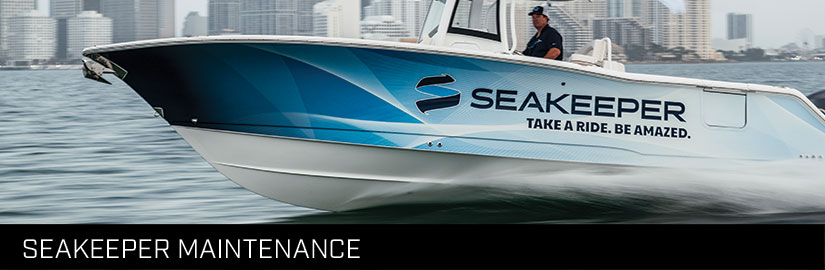
A Seakeeper stabilizer is one of the most valuable comfort upgrades on modern boats. Whether installed on offshore cruisers, sportfishing platforms, or commercial applications, these gyro systems eliminate up to 95% of boat roll. As a result, everyone on board experiences a pleasant outing, even on harsh waves. A Seakeeper gyro stabilizer transforms how a vessel feels at rest and on the water. However, like any other marine system, it performs best when properly maintained.
Whether your boat is equipped with a Seakeeper 1, Seakeeper 2, or Seakeeper 3, regular upkeep protects your investment, improves reliability, and ensures smooth, quiet operation season after season.
Why Do Seakeeper Stabilizers Require Care?
Seakeeper units are engineered to operate in demanding marine conditions. However, constant exposure to saltwater, humidity, vibration, and temperature changes puts mechanical, hydraulic, and electronic components under stress. The gyro is sealed and designed to resist water intrusion. But corrosion remains the primary long-term problem if basic care is overlooked.
Maintenance is especially important for coastal fishing boats for sale, offshore cruisers, and vessels regularly running in saltwater conditions.
7 Tips for Seakeeper Maintenance
1. Rinse with Freshwater
After saltwater use, salt residue can accumulate on external components, fasteners, hoses, and brackets. Left untreated, this buildup accelerates corrosion and shortens component life. Hence, the single most effective maintenance tip for any Seakeeper system is to regularly rinse with freshwater.
What you can do:
Rinse with fresh water as soon as possible after saltwater exposure
Use a wide, gentle spray. Don’t use a high-pressure jet
Avoid spraying directly into electrical connectors or wiring looms
If there is an open unit like Seakeeper 2 gyro and Seakeeper 3 gyroscopic system, lightly rinse accessible internal areas also
Think of this process the same way you would flush your outboard after a long day offshore. Just as Mercury outboards depend on freshwater flushing to prevent salt damage, Seakeeper units rely on the same follow-up.
2. Dry and Ventilate Properly
After washing, you must remove moisture to prevent corrosion from forming in hidden areas.
Ensure the unit is fully drained, well ventilated, and free of pooled water around mounting points and hoses.
Good airflow in the machinery area helps preserve both mechanical components and surrounding marine electronics for longer.
3. Connect with a Service Professional
Seakeeper recommends a full annual service to maintain peak performance. This inspection covers critical systems that are not visible during routine owner checks.
A typical professional annual service includes:
Inspection of electrical connections and wiring
Hydraulic system checks (hoses, cylinders, pressure)
Cooling system inspection and heat exchanger cleaning
Brake system inspection and accumulator servicing
Torque verification on mounting hardware
Depending on hours of operation and usage conditions, some gyro units may require more frequent service. Vessels undergoing major refits, electronics upgrades, or boat repower projects also need a full system evaluation, including installed gyroscopic systems.
4. Zinc Anodes and Corrosion Protection
Some Seakeeper models have zinc anodes as part of their corrosion protection structure. These sacrificial components wear down over time and must be replaced on schedule. Recommended time is every 150 hours or every few months in heavy-use saltwater environments.
Failing to replace anodes can expose internal metal components to galvanic corrosion, leading to costly repairs.
5. Routine Visual Inspections
In addition to professional annual boat maintenance and services, owners should perform quick visual inspections as part of their regular boat checks.
Look for:
Damaged or loose wiring
Oil leaks around hydraulic components
Corrosion on fasteners or brackets
Unusual noises during operation
You can also perform functional tests to confirm the system starts smoothly and operates quietly. This will help you catch small issues before they become major ones.
6. Model-Specific Considerations
Each Seakeeper gyro stabilizer model has unique maintenance requirements. Smaller systems like Seakeeper 1 gyro often power compact boats, while Seakeeper 2 and Seakeeper 3 are common on mid-size fishing vessels and cruisers.
Due to the hydraulic brake systems, these boat stabilizers require bushing replacements at specific hour intervals. Larger systems need additional checks for isolators, pins, and structural components. Always refer to Seakeeper’s technical documentation or consult your nearby boat dealer in BC for model-specific schedules.
7. Use the Seakeeper Technical Library
Seakeeper provides an extensive online technical library with:
Unpacking instructions
Installation guides
Maintenance procedures
Model-specific documentation
Using company-approved guidance ensures maintenance is done correctly and protects product warranty coverage.
When to Consider Upgrading or Replacing a Seakeeper Boat Stabilizer
If your boating style changes to longer offshore runs, heavier loads, or a new boat hull, a Seakeeper gyro stabilizer upgrade may be worth considering. When you carefully look at boat show boats, you may find feature-upgraded gyro systems sized specifically for their displacement and operational profile.
Upgrading is also common when boaters move into newer platforms or add significant weight through refits, boat repowers, or cabin modifications.
Keep Detailed Maintenance Records
Documenting every rinse, inspection, service, and part replacement adds real value to your vessel. Clear records display responsible ownership, support resale value, and simplify warranty or insurance claims.
An experienced team at a reliable boat dealer can help you maintain proper documentation, which often influences purchasing decisions as much as electronics or power packages.
Conclusion
A Seakeeper delivers unmatched comfort, but its performance depends on consistent, careful maintenance. Simple habits like freshwater rinsing, visual inspections, and scheduled servicing ensure your gyro boat stabilizer continues to operate smoothly, quietly, and reliably for years.
Whether already installed on aluminum or fiberglass boats or needing the purchase, installation, and maintenance of a new or used Seakeeper, a dealer like Alberni Power & Marine in Port Alberni, BC, Canada, is a reliable source to keep your investment performing well and stay in good shape.
Frequently Asked Questions
Q.1. How Often Should I Rinse My Seakeeper?
Rinse your Seakeeper gyro ideally the same day after every saltwater use. A gentle freshwater spray works well.
Q.2. Do Seakeeper 1, Seakeeper 2, and Seakeeper 3 Gyros Require Different Maintenance?
Yes. Each gyro stabilizer model has specific service intervals and component checks as mentioned in Seakeeper’s technical guides.
Q.3. Is the Annual Professional Service of My Seakeeper Essential?
Annual services done by professionals protect critical components that cannot be fully inspected visually. Hence, marine experts recommend an annual professional service of a gyro boat stabilizer.
Q.4. Can a Seakeeper be Added During a Refit or Repower Project?
Absolutely. Many boaters buy or upgrade Seakeeper units during major refits or boat repower projects.
About the Author
Devan Flader
Devan Flader, the Customer Service & Store Manager at Alberni Power & Marine, has over 20 years of marine industry experience. His focus on reliable boat service, quality marine parts, and personalized support ensures every customer enjoys peace of mind on the water. As a lifelong boater, Devan is dedicated to helping owners keep their boats running strong and ready for adventure.